State Farm Roof Claim Denials in Oklahoma: What Michigan and Ohio Homeowners and Business Owners Should Know
WE ARE LICENSED IN MICHIGAN AND OHIO AND TAKE REPRESENT SELECT CLIENTS NATIONWIDE
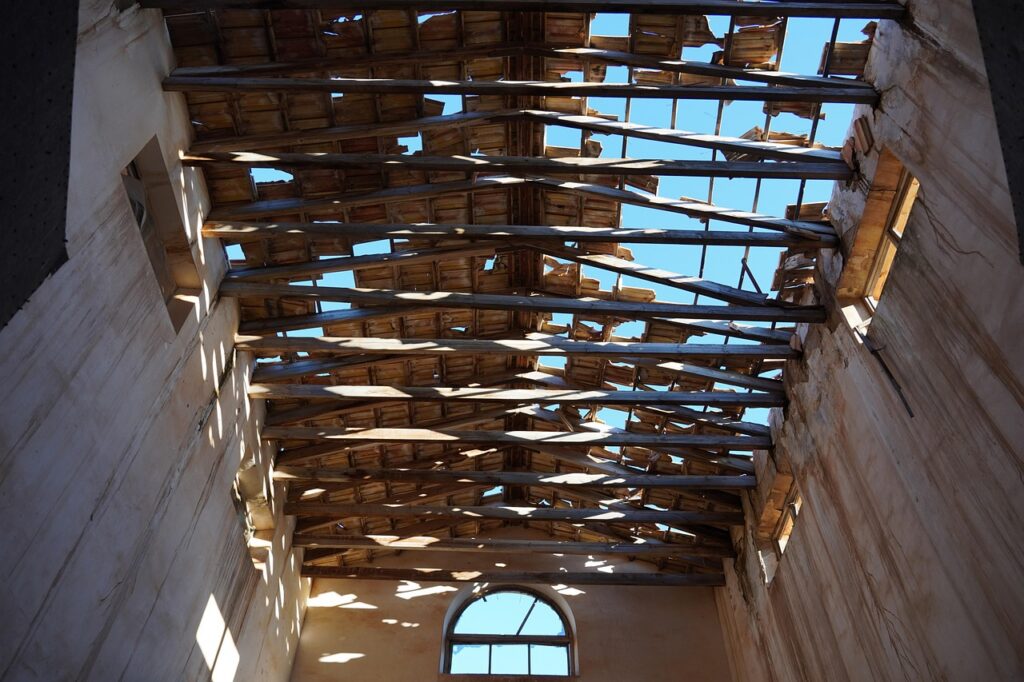
On November 13, 2026, the Oklahoma Insurance Department announced that a market-conduct examination found State Farm improperly denied or failed to pay for roof damage on wind and hail claims. State Farm agreed to a settlement of more than $45 million: at least $35 million for affected homeowners, $10 million for the Strengthen Oklahoma Homes grant program, and about $2.86 million in fines and examination costs.
The findings come from Oklahoma, but the claim practices behind them are not unique to one state or one insurance company. Homeowners, commercial property owners, public adjusters and attorneys in Michigan, Ohio and across the country should pay attention.
What Oklahoma Regulators Found
The examination focused on wind and hail claims with a date of loss from 2021 through 2025 that State Farm closed without payment. Under the settlement, those claims will get an independent third-party review. “Closed without payment” is defined broadly: it includes partially paid claims and claims the insurer said fell below the deductible.
That definition matters. Many policyholders never think of a “below deductible” letter as a denial. In practice it often works like one: the claim is closed, the roof damage stays, and the homeowner or business owner assumes there is nothing more to do.
The Fine Print: What a Policyholder May Give Up
The settlement has drawn criticism. Oklahoma’s Attorney General has said homeowners who accept a payment through the review process may be required to release bad-faith claims, and that the most they can recover is what State Farm owed in the first place. Reports differ on how the settlement affects policyholders who have already filed suit, and more than 1,000 Oklahoma cases against State Farm remain pending.
The lesson applies everywhere: before you sign a release, cash a check marked “final,” or accept a reopened-claim payment, understand exactly which rights you are giving up.
Homeowners: Denied, Underpaid or "Below Deductible" Roof Claims
Wind, hail, ice and storm damage are among the most common homeowners insurance claims in Michigan and Ohio, and roof claims are among the most disputed. The same issues come up again and again: whether damage is storm damage or “wear and tear,” whether an adjuster’s estimate covers a full roof replacement or only spot repairs, whether matching shingles and siding are included, and whether the loss really falls below the deductible. A denied storm damage claim is not always the final word.
Commercial Property Owners: The Stakes Are Higher
For apartment complexes, office buildings, retail centers, warehouses, churches and manufacturing plants, a disputed roof or storm claim can run into the hundreds of thousands or millions of dollars. Commercial claims add their own complications: coinsurance penalties, ordinance-or-law coverage, depreciation holdbacks, and business interruption losses that keep growing while the building waits for repairs. We handle large-loss commercial property insurance claims for owners and their brokers and adjusters.
Could This Happen in Michigan or Ohio?
Michigan. Under MCL 500.2006, an insurer that does not timely pay a covered claim can owe 12% penalty interest. Most Michigan property policies include an appraisal provision for disputes over the amount of a loss. And the Michigan Senate is considering Senate Bill 245, which would modify insurers’ duties when processing claims; it has been awaiting a full Senate vote since June 2026. Learn more about bad faith insurance claims in Michigan.
Ohio. Ohio recognizes a claim against an insurer that fails to pay without reasonable justification, and Ohio courts treat appraisal awards as binding and difficult to reopen. That makes it important to get the scope of damage right before appraisal begins. See our Ohio property insurance claims page.
Nationwide. Liss + Earls is licensed in Michigan and Ohio, and on a select basis we represent policyholders in high-value property insurance disputes in other states through pro hac vice admission, working alongside local counsel. Learn about our nationwide representation for high-value claims.
For Public Adjusters and Referring Attorneys
Most of our cases come to us from public adjusters and from other attorneys. When an insurer stalls, underpays, demands an examination under oath, or denies a claim outright, we step in as litigation counsel while respecting the work and the relationship the public adjuster has built with the client. We also work with referring attorneys who want an experienced first-party property insurance litigator on a case. Learn how we work with public adjusters.
What to Do If Your Claim Was Denied, Underpaid or Closed
- Keep every letter. The denial or closing letter states the insurer’s reason, and that reason can be tested.
- Get the adjuster’s estimate in writing. Compare it line by line with a contractor’s or public adjuster’s estimate for the same work.
- Photograph the damage now. Roof, siding and interior water damage change over time.
- Write down every date. When you reported the loss, when the inspection happened, when the insurer responded and when it paid.
- Read before you sign. A check, a release or a “final” settlement offer can affect your rights.
Talk to a Property Insurance Claim Attorney
For nearly 40 years, Liss + Earls has represented only policyholders, never insurance companies, in denied, delayed and underpaid property insurance claims, including fire, storm, hail, wind, water and commercial losses. If your homeowners or commercial property claim was denied or underpaid, or if you are a public adjuster or attorney with a claim that needs litigation counsel, contact us for a free consultation or call 248-553-2000.
Sources: Oklahoma Insurance Department announcement as reported by KOCO (Nov. 13, 2026) and Repairer Driven News (Nov. 16, 2026); KFOR (Nov. 2026); Michigan Legislature, SB 245 of 2025. This article is general information, not legal advice.