
property insurance co-counsel for attorneys
Refer Your Property Insurance Case to a Firm That Does Nothing Else
When your client’s fire, storm, water or business interruption claim has been denied, delayed or underpaid, the case needs counsel who knows first-party property insurance inside and out. Since 1986, Liss + Earls has represented only policyholders, never insurance companies. Attorneys across Michigan, Ohio and the country refer their clients’ property insurance claims to us, and we treat every referral as a long-term relationship.

Why Attorneys Refer Property Insurance Claims to Liss + Earls
First-party property insurance litigation is its own specialty. Policy forms, appraisal clauses, examinations under oath, proof-of-loss requirements, contractual suit limitation periods, penalty interest, business income accounting and causation experts can decide a case long before trial. If property insurance is not the center of your practice, a referral protects your client and your relationship with them.
It is the center of ours. Property insurance litigation for policyholders is all we do, and it is all we have done for nearly 40 years.
- Policyholders only. We have never represented an insurance company.
- An estimated $500 million recovered for policyholders in verdicts, settlements and claim recoveries since 1986.
- Trial and appellate experience before the Michigan Court of Appeals, the Michigan Supreme Court and the U.S. Court of Appeals for the Sixth Circuit.
- Licensed in Michigan and Ohio, and admitted pro hac vice for select high-value cases across the country.
- A national network of experts, including forensic accountants, engineers, fire origin-and-cause investigators and construction estimators.
- Contingency fees on most property claims, so your client pays no fee unless we recover.
How Referrals and Co-Counsel Arrangements Work
Every referral is structured around the case and your practice. Some attorneys refer the property claim to us entirely; others stay involved as co-counsel. Either way, you keep the client relationship and you are kept informed.
1. Call or Email Us About the Claim
Tell us about the loss, the carrier, the policy and where the claim stands. A short conversation is usually enough for us to tell you whether and how we can help.
2. We Review the Policy and the Claim File
We review the policy, the denial or payment letters, estimates and carrier correspondence, and we flag deadlines first: suit limitation clauses, proof-of-loss dates, appraisal demands and examination-under-oath dates.
3. We Agree on Roles and Fees in Writing
Referral or co-counsel, the arrangement is documented in writing and disclosed to the client. Where the rules allow, fees are divided in accordance with Rule 1.5(e) of the applicable Rules of Professional Conduct.
4. We Take On the Carrier and Keep You Updated
We handle the insurer, the experts and the litigation, through appraisal, mediation, trial and appeal, and we update you at each milestone.
Property Insurance Cases We Take on Referral
Denied, Delayed and Underpaid Claims
Outright denials, lowball estimates, depreciation holdbacks, “wear and tear” and “below deductible” positions, and claims that have stalled for months. Learn more about bad faith and delayed claims.
Commercial and Large-Loss Property Claims
Apartment complexes, manufacturing plants, warehouses and logistics hubs, hospitality properties, churches and historic buildings, including coinsurance, ordinance-or-law and multi-carrier disputes. See large-loss commercial claims.
Fire and Explosion Losses, Including Arson Accusations
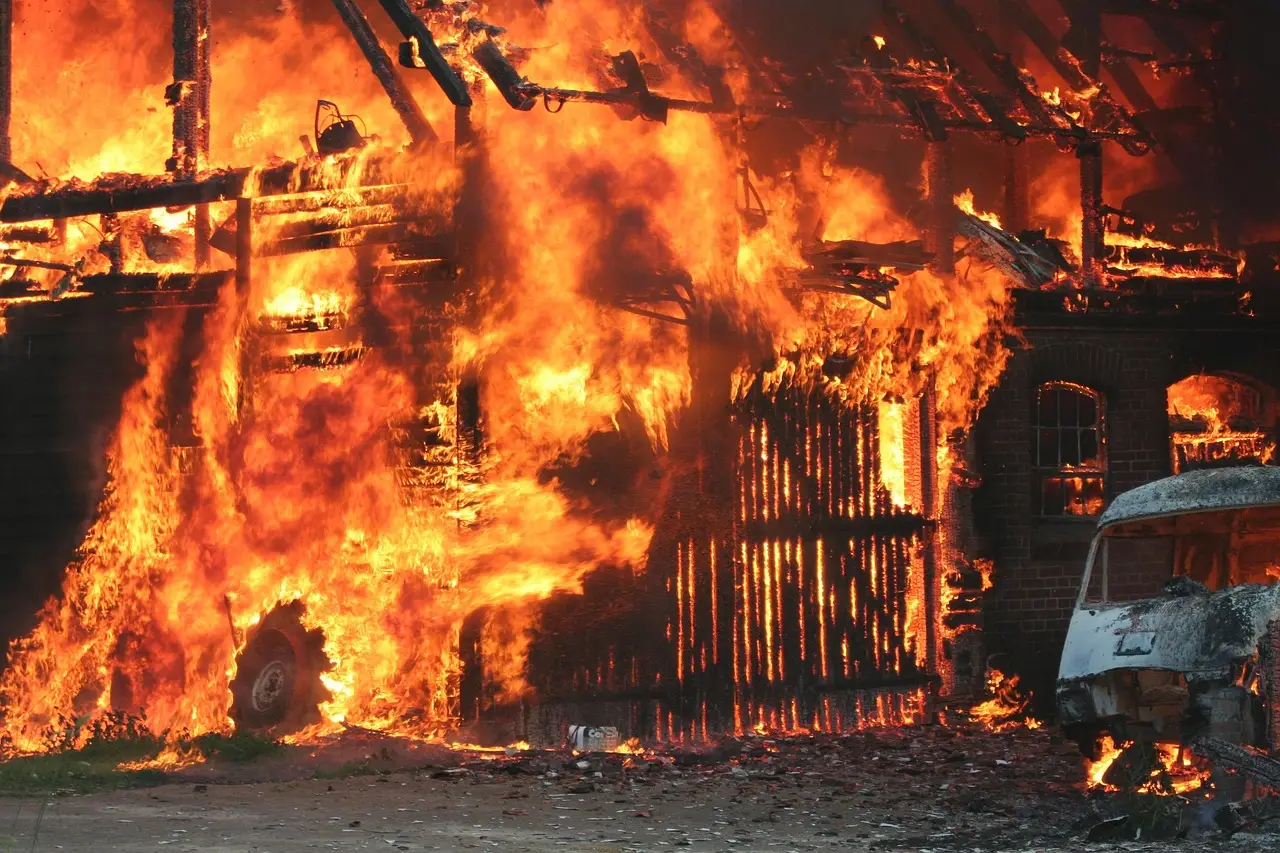
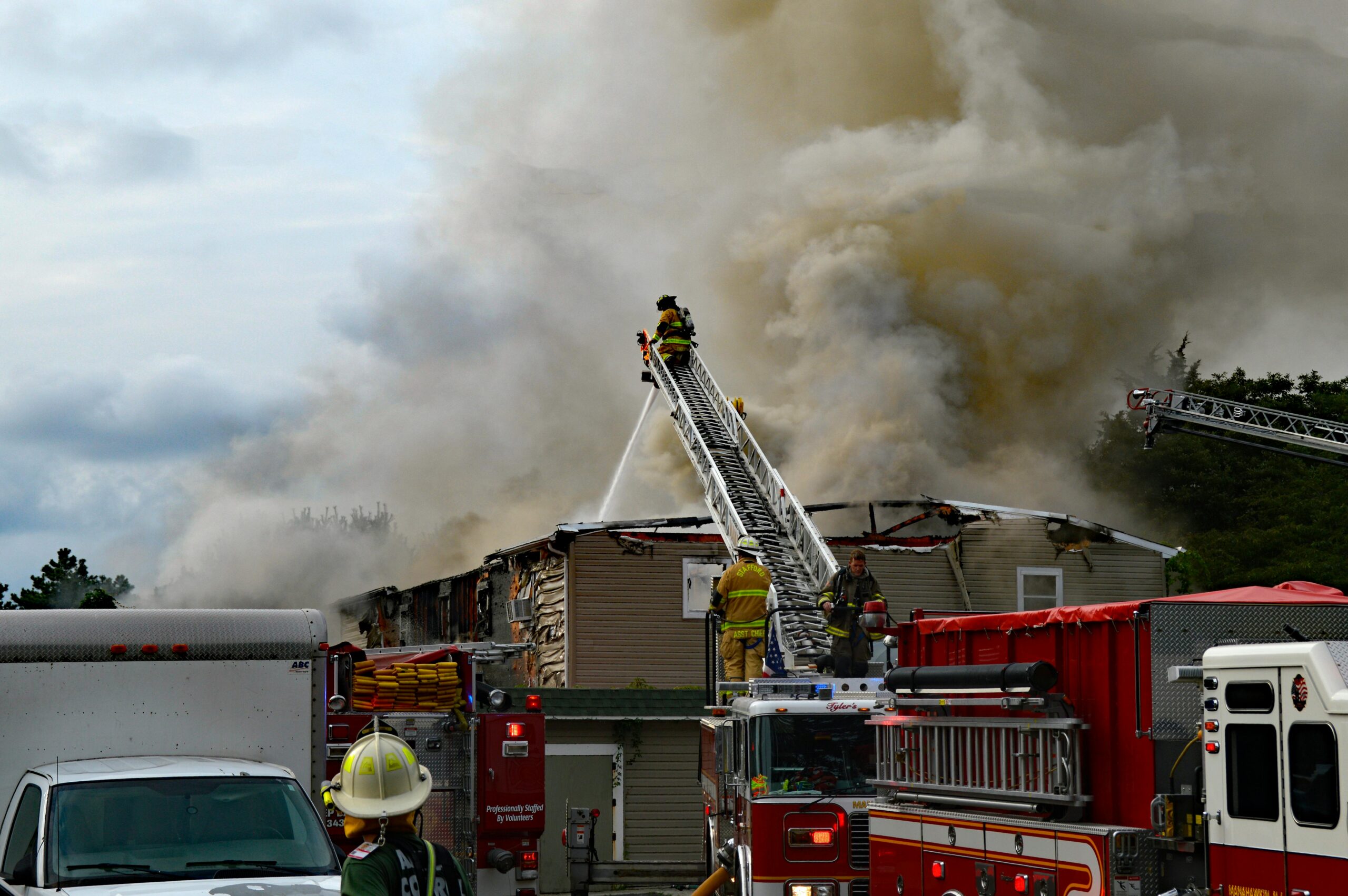
Residential and commercial fire and explosion claims, including cases where the carrier accuses the insured of arson or fraud.
Business Interruption and Extra Expense
Lost business income, extra expense, period-of-restoration disputes and contingent business interruption. See business interruption claims.
Storm, Wind, Hail and Water Damage
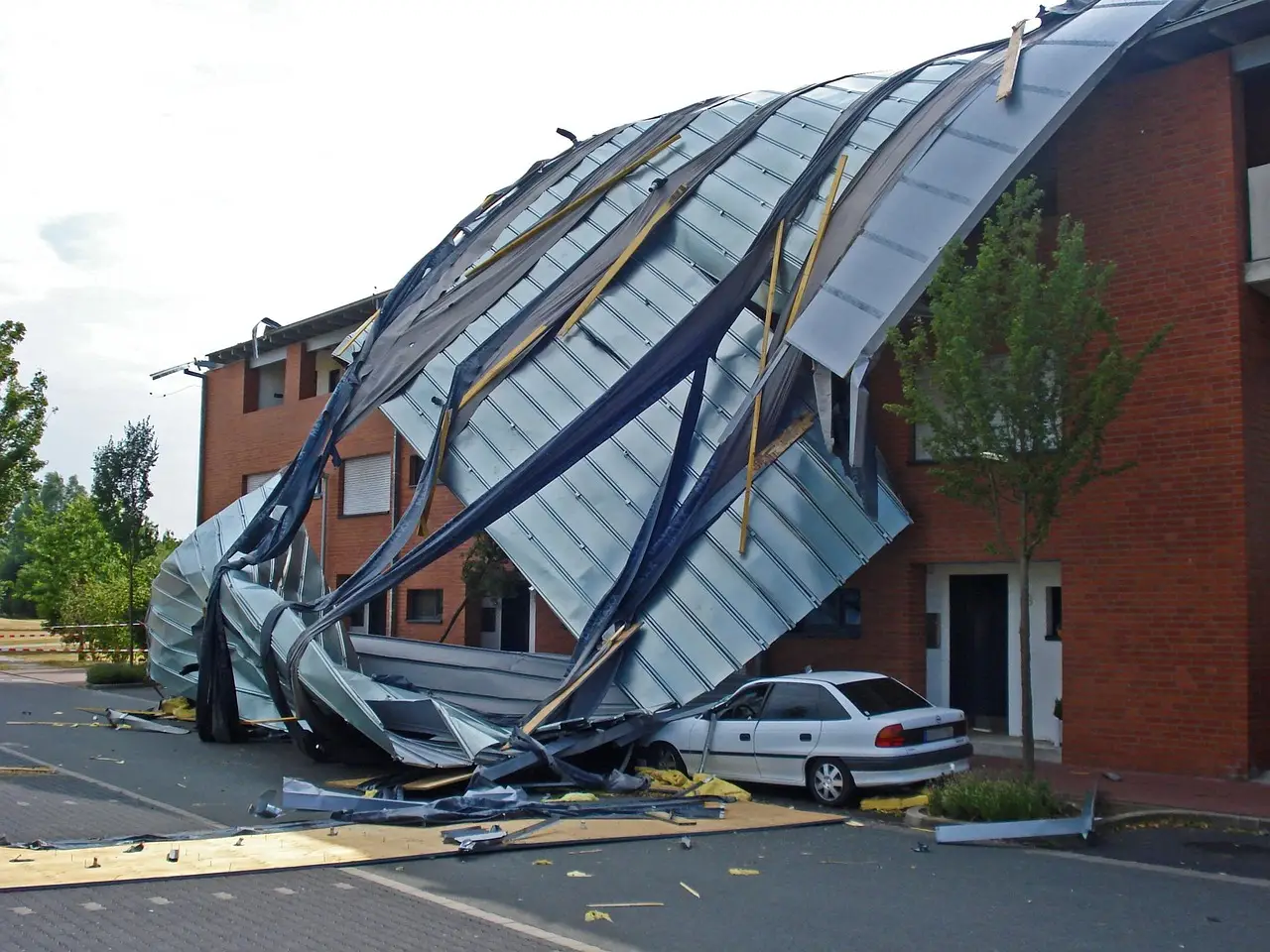
Roof and storm claims, freeze and burst-pipe losses, water intrusion and collapse claims for homes and commercial buildings.
Appraisal Disputes
Compelling appraisal, appraisal strategy, umpire selection and collecting on appraisal awards with penalty interest. See insurance appraisal.
Examinations Under Oath and Coverage Defenses
Preparing and defending insureds at examinations under oath, and responding to misrepresentation, vacancy, exclusion and policy-condition defenses.
Insurance Agent Negligence
Claims against agents and brokers whose errors left a gap in coverage or limits that were too low. See agent negligence claims.
Fire and Explosion Injury and Wrongful Death
Serious injury and wrongful death claims arising from fires and explosions, litigated alongside the property claim when both are present. See injury and death cases.
Out-of-State Cases: Pro Hac Vice Representation
Liss + Earls is licensed in Michigan and Ohio. For select high-value property insurance cases in other states, we appear through pro hac vice admission and work alongside experienced local counsel. Our attorneys have been admitted pro hac vice in states including Illinois, Iowa, Florida, Kansas, Minnesota, Missouri, Nebraska, New Jersey, New York, Oklahoma, Pennsylvania, Louisiana, Tennessee and Wisconsin.
Out-of-state cases that tend to be a good fit include:
- Claims typically involving $1 million or more in damages
- Complex business interruption losses
- Fire and explosion cases with disputed origin and cause
- Coverage disputes requiring detailed policy analysis
- Federal diversity cases and multi-state coverage disputes
If you practice outside Michigan and Ohio, we welcome working with you as local counsel. Learn more about our nationwide representation for high-value claims. Pro hac vice admission is subject to court approval.
Representative Results
- $8.6 million for a Memphis, Tennessee apartment complex after the insurer denied a freeze-related water loss under a vacancy exclusion.
- $8.5 million for an automotive supplier after the insurer paid only $300,000 on a business income claim and refused appraisal. The court compelled appraisal and entered judgment with penalty interest.
- $7.325 million for a manufacturing facility after the insurer initially paid only $1.2 million.
- $7 million for student apartment buildings, including more than $356,000 in penalty interest, after the insurer tried to pay only $2.8 million.
- $5.1 million for the owner of a 20,000-square-foot Clarkston home with wind and water damage after the insurer paid $414,776 and sued claiming it owed nothing more.
- $3.77 million for a Southfield commercial building owner after three roof-related losses in six weeks, including 12% penalty interest.
See more on our Results page.
Results depend on the facts and law of each case. Past results do not guarantee a similar outcome.
Decisions That Strengthened Policyholder Rights
- Batton-Jajuga v. Farm Bureau General Insurance Co. (Mich. Ct. App. 2018, published): buying a replacement home on land contract satisfies the policy’s replacement-cost requirements.
- Scottsdale Insurance Co. v. Altman Management Co. (6th Cir. 2021): insurer-caused delay may extend the period of restoration for a business income claim.
- Proto Gage, Inc. v. Federal Insurance Co. (E.D. Mich. 2023): factual disputes over the cause of a business income loss go to the appraisal panel.
- Shina v. State Farm Fire & Casualty Co. (E.D. Mich. 2022): “scope of loss” is a factual question for appraisal, not a coverage issue.
- Midtown Investment Group v. Massachusetts Bay Insurance Co. (E.D. Mich. 2021): the defective-workmanship exclusion did not bar the ensuing interior water-damage claim.
- Hani & Ramiz, Inc. v. North Pointe Insurance Co. (Mich. Ct. App. 2013): a partial roof collapse was not excluded as decay, deterioration or latent defect.
Meet Jason J. Liss, Managing Shareholder
Jason J. Liss leads the firm’s property insurance litigation practice. Public adjusters, corporate counsel and out-of-state attorneys regularly refer clients to Jason to serve as lead counsel in high-value property insurance matters. He has tried complex first-party property cases to verdict and argued before the Michigan Court of Appeals, the Michigan Supreme Court and the Sixth Circuit.
- Past Chairperson, Insurance & Indemnity Law Section, State Bar of Michigan
- AV Preeminent Rating (5.0/5.0), Martindale-Hubbell
- Michigan Super Lawyers (2010 to present); Best Lawyers in America (2015 to present); DBusiness Top Lawyers (2017 to present)
- Member of the National Association of Public Insurance Adjusters (NAPIA), the National Association of Fire Investigators (NAFI), the Michigan Association for Justice and the Oakland County Bar Association
- Author of articles on appraisal, coinsurance, anti-concurrent causation, and replacement cost in The Journal of Insurance and Indemnity Law
Jason works alongside the firm’s experienced property insurance litigators, including partner Ann-Marie E. Earls, Joseph L. Milanowski, Elizabeth King, Alison Koppin, and Stuart A. Sklar (Of Counsel)
Questions Referring Attorneys Ask
Will I lose the client relationship if I refer a case?
No. You remain the client’s attorney for everything outside the property insurance claim, and we keep you informed as the case moves forward. Many referring attorneys choose to stay involved as co-counsel.
How are referral fees handled?
Where the rules allow, we divide fees with referring counsel in accordance with Rule 1.5(e) of the Michigan and Ohio Rules of Professional Conduct, or the equivalent rule where the case is pending, with full disclosure to the client and the client’s consent. Most property insurance cases are handled on a contingency fee, so the client pays no fee unless we recover.
What size cases do you take?
In Michigan and Ohio we handle residential and commercial property insurance claims where our involvement can make a real difference. Out-of-state matters handled pro hac vice typically involve $1 million or more in damages or complex technical or coverage issues.
What should I send you?
The policy and declarations page, any denial, reservation-of-rights or payment letters, the carrier’s estimate and any contractor or public adjuster estimates, photos, and correspondence with the carrier. Most importantly, tell us about any deadlines: a suit limitation clause, a proof-of-loss date, an appraisal demand or a scheduled examination under oath.
Is there a deadline I should worry about?
Often, yes. Many property policies contain contractual suit limitation provisions that can be much shorter than the general statute of limitations. If a claim has been denied or has stalled, call us before that period runs.
Do you handle injury and wrongful death claims from fires and explosions?
When a fire or explosion causes both property damage and serious injury or death, our trial team works with counsel who litigate the injury and wrongful death claims alongside the property insurance claim.
Have a Property Insurance Case? Let's Talk.
Call Jason Liss directly at 248-553-2000 or email info@lissearls.com. Tell us about the loss, the carrier and any deadlines, and we will tell you honestly whether we can help.