
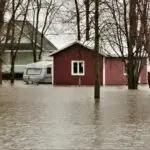
Recent Michigan Floods : A Property Insurance Attorney Perspective
Michigan’s unpredictable weather has caused several devastating flood events in the past five years. As Michigan flood and water insurance claim attorneys, we at Liss + Earls have witnessed firsthand the destruction these Michigan floods bring and the complex insurance issues that follow. In this blog post, we’ll review recent Michigan flooding disasters and share insights on how homeowners and businesses can navigate insurance claims after water and storm damage. Our goal is to inform you about the scale of recent floods, the challenges policyholders face with insurance claims, and how experienced property insurance lawyers can help in the recovery process.
Having practiced in the area of Michigan property insurance claims for close to 40 years, our attorneys continue to be impressed at the increasing ferocity of the rain events throughout our region and the world at large.
Focusing on just the past five years and Michigan specifically, we’ve seen that Michigan has experienced multiple severe flooding events, affecting communities from the Upper Peninsula to Metro Detroit. Here we highlight some of these disasters, along with some thoughts.
Recent Major Michigan Flood Events (2018–2023)
Each disaster was unique in its cause but similar in the widespread damage left behind by some Michigan floods:
- June 2018 – Houghton County (“Father’s Day” Flood): An unprecedented rainstorm (dubbed a “thousand-year storm”) struck the Upper Peninsula on June 17, 2018, dropping 6+ inches of rain in just a few hours. The flash floods washed out over 150 roads and culverts and even caused a tragic fatality. Incredibly tragically, 12-year-old boy was killed when his basement collapsed, and hundreds of homes were damaged. Infrastructure suffered at least $100 million in damages as roads and bridges were obliterated. Consistent with what we have been seeing in weather related property damage trends, scientists later warned that climate change could make such extreme rain events more likely in our region.
- July 2019 – Record Rain in Lower Michigan: In July 2019, parts of western Lower Michigan saw torrential downpours that set a new state rainfall record. Stationary thunderstorms dumped 8 to 13 inches of rain in Mason and Lake counties within 24 hours. Roads were inundated and washed out by this deluge. Sheridan Township in Mason County recorded 12.92 inches in one day – the most ever recorded in Michigan for a 24-hour period. This rare rainfall event caused flash flooding that closed roads and swamped numerous homes and farms, some of whom contacted us to try and make sense of their overwhelming losses.
- May 2020 – Midland Area Dam Failures: After days of heavy rain, the Edenville Dam and Sanford Dam in Midland County catastrophically failed on May 19, 2020. The result was a “500-year flood” that forced approximately 10,000–11,000 residents to evacuate their homes. A wall of water surged down the Tittabawassee River, destroying homes, decimating roads and bridges, and even wiping out one small village near Sanford. Remarkably, no lives were lost, but the property damage was enormous. An estimated 2,500 homes and businesseswere damaged or destroyed in the Midland area. Total losses were around $175 million. Experts later noted that such a flood’s scope and severity would normally only occur once in 500 years. In fact, Midland County’s emergency planners had anticipated that a failure of the Edenville Dam could put nearly $879 million worth of property at risk– a figure that underscores the massive value of homes, businesses, and infrastructure imperiled by this disaster. Recently, a Michigan judge issued a ruling allowing a lawsuit filed against the state by victims of mid-Michigan flooding in 2020 to proceed toward trial.
- June 2021 – Southeast Michigan Urban Flooding: On June 25-26, 2021, Metro Detroit was hit by historic rainfall that overwhelmed the region’s aged drainage infrastructure. Parts of Wayne County saw up to 7–8 inches of rain in 24 hours. Freeways turned into rivers and hundreds of streets and basements were flooded, causing widespread property damage. Neighborhoods in Detroit, Dearborn, Grosse Pointe, and surrounding areas suffered severe basement backups – many with 4 to 8 feet of water in rec rooms and utility rooms. The floodwaters ruined furnaces, water heaters, and countless personal belongings. In the aftermath, more than 24,000 households and businesses filed damage claims with the regional water authority for sewer backup losses. The total property damage has been estimated over $100 million in Metro Detroit. In one costly insurance claim from the storm, we were able to help a Bloomfield Township homeowner recover many hundreds of thousands of dollars in damages for immense water inundation from an oak tree which was uprooted due to the overwhelming deluge of storm water and crashed into the property.
- Summer 2023 – Repeat Flash Floods: Once again, we saw extreme rain continue to plague Michigan. For example, on August 24, 2023, a series of thunderstorms dumped 3 to 5 inches of rain in six hours on Metro Detroit. Once again, freeways and neighborhoods were submerged – and we heard from frustrated Michiganders again suffering property damage. Just two years after the 2021 disaster, Detroiters saw cars stranded on flooded roads and water seeping into homes. These recurring floods highlight a troubling trend: what used to be “once-in-a-lifetime” floods are happening more frequently. Local officials acknowledge that storms are increasing in intensity and frequency beyond the design capacity of drainage systems. Climate experts likewise warn that warmer atmosphere conditions ares region making heavy rainstorms more common in the Great Lakes. At Liss + Earls, we are hearing from more and more of you after these events as you face the battle with your insurance companies to recover from water losses.
Each of these floods left a lasting impact on Michigan communities and caused Michigan residents to seek our help. Homes are continuing to become engulfed by water, businesses have been forced to close for periods of time, and Michigan residents continue to face massive cleanup and repair efforts that often took months or years. Next, we’ll discuss how these disasters affected individual homeowners and commercial property owners who reached out to us after each of these disasters – and the kinds of problems they encountered when turning to insurance for help.
Impact on Homeowners and Businesses from Michigan Floods: Real Examples
After major floods, our firm receives calls from distraught homeowners and business owners across Michigan. The stories we hear are both heartbreaking and infuriating. Families and entrepreneurs suffer devastating losses, only to discover how difficult it can be to recover those losses through insurance. Here are some common issues and real examples of the challenges faced:
Residential Property Damage: Floodwaters can destroy almost everything in a home. In basement floods (which are common in Michigan’s flat, low-lying neighborhoods), furnaces, electrical panels, water heaters, and appliances get ruined. Drywall, flooring, and personal belongings – furniture, electronics, photo albums – are soaked and contaminated. Mold can set in within days if not promptly remediated. For instance, during the June 2021 Detroit floods, one Grosse Pointe Park homeowner had 8 feet of water fill his basement, causing over $160,000 in damage to his property and possessions. In another case, a family in Warren described losing four cars to floodwaters and spending around $95,000 on home repairs and replacements of lost items.
Business and Commercial Losses: Flood disasters don’t spare businesses and public infrastructure. We hear from businesses who for example, see their storefronts or offices filled with water, destroying equipment, inventory, and records. Business owners not only face property damage but also interruption to their operations – lost income while they rebuild. The Mid-Michigan flood damaged or demolished many of the 2,500 structures, which included retail shops, restaurants, churches, and factories. The value of commercial property losses can be enormous – Governor Whitmer’s federal aid request after the Midland flood noted that nearly $879 million in building value was exposed in the flood zone. For a local business owner, a single flood can mean hundreds of thousands of dollars in damage and inventory loss, potentially threatening the survival of the business. We’ve heard from Michigan entrepreneurs who, overnight, saw their life’s work destroyed by water damage.
Emotional and Health Consequences: Beyond the dollars and physical damage, flood victims suffer anxiety and hardship. It’s traumatizing to evacuate your home in a rush – or to wake up to a basement filled with sewage. It’s tragic to see homeowners express despair at the sight of treasured family belongings ruined by dirty floodwater. There are also health risks: mold infestation, contaminated water, and debris can make homes unsafe. In some 2021 cases, families could not live in their houses for weeks or months, creating additional living expenses and stress. Our clients come to us often exhausted dealing with contractors, demolishing waterlogged walls, drying out and sanitizing, and negotiating with insurance adjusters all at once. The human toll is why we are passionate about helping flood victims get the financial relief they need to rebuild their lives.
Unfortunately, as if the flood itself weren’t bad enough, many Michigan homeowners and businesses quickly learn that getting compensation for their losses is an uphill battle. The next section explains why insurance claims for flood and water damage are often complicated – and sometimes unfairly denied – and what you can do to protect yourself
Insurance Coverage Challenges After Flooding from intense Michigan Floods
Flood damage and insurance coverage is a notoriously tricky area of law. In Michigan (as in most states), standard property insurance policies provide very limited coverage for flood or water intrusion damages. This comes as a shock to many flood victims who contact us. Here are key points to understand about insurance and floods:
-
Homeowners Insurance vs. Flood Insurance: A standard homeowners policy (the kind most people buy) does not cover flooding from natural disasters. This exclusion applies to water coming from outside – such as overflowing rivers, heavy rain runoff, or storm surge. Coverage for “flood” is available only through a separate policy, typically under the National Flood Insurance Program (NFIP) or a private flood insurer. Unfortunately, many Michigan residents in moderate or low-risk areas never purchase flood insurance because their mortgage lender doesn’t require it. In fact, most residents in areas hit by the Midland 2020 flood did not have Flood Insurance in place. In other words, it’s quite common for “low risk” areas to flood, yet people there often lack coverage. We advise everyone in Michigan to seriously consider flood insurance, even if you’re not on a known floodplain, given the changing climate and recent history.
-
Optional Sewer Backup Coverage: Some causes of water damage blur the lines. Much of the flooding in Detroit (2021) and other urban areas is actually due to sewer and storm drain backups – when municipal systems can’t handle sudden heavy rainfall, water pushes up through basement floor drains or toilets. While standard policies exclude this, insurers offer an endorsement for sump pump/sewer backup coverage (usually with modest limits like $5,000 or $10,000). If you bought this add-on, you may have some coverage for a basement backup. However, insurance companies often try to avoid paying by classifying the damage as a general flood (especially if surface water also entered). The distinction can be technical and contentious. In practice, after the 2021 Detroit floods, many homeowners with sewer backup riders still had their claims denied because insurers argued the scope of the event made it an “uninsured flood.” Sorting out these details can be very frustrating for policyholders. It may require expert analysis to determine whether water came through the sewer/plumbing (potentially covered) versus overland flooding (excluded). Tip: Review your homeowner’s policy for “water backup” coverage and consider adding it if you have a basement – it’s relatively inexpensive and can provide some relief if a sump pump fails or sewers back up.
-
Insurance Claim Denials and Delays: Even when coverage exists, flood-related claims often face resistance. After a disaster, insurance companies are inundated with thousands of claims at once. The volume can lead to slow responses and cursory inspections. We have seen insurers undervalue the damage to homes – for example, offering a settlement that barely covers a fraction of repair costs – or delaying payments for months. In worse cases, insurers issue outright denials, citing policy exclusions or blaming maintenance issues. One common scenario is the insurer asserting that damage was due to “ground water/flood” (excluded) rather than a covered peril. This can happen if, say, heavy rain leaks through a roof or foundation; the insurer might call it flood water seepage, not covered, even if the homeowner feels the policy should cover rain damage. Fighting these denials requires persistence, documentation, and often legal help to interpret the policy language. Our attorneys have extensive experience countering such tactics – we gather expert reports, challenge improper damage assessments, and push insurers to honor the coverages that do apply.
-
Claims Against Government or Utilities: In events like the Detroit 2021 flood, many victims turned to the government or utility companies for compensation, especially when it appeared that infrastructure failures (like pump station outages) worsened the flooding. Thousands of residents filed claims with the Great Lakes Water Authority (GLWA) and City of Detroit, essentially saying, “the city’s sewers caused my basement flood.” However, these claims have largely been denied. GLWA announced in July 2022 that it was denying all 24,000 claims related to the June 2021 floods. The utility cited an independent report that concluded the flooding was an act of nature – “historic rainfall” beyond system capacity – rather than a specific defect in the system Under Michigan law – but again, only after lengthy court battles.) The bottom line: relying on a government entity to pay for flood losses is uncertain at best. It’s therefore important to have your own insurance or other recourse, such as the ability to absorb the damage from a flooding event.
- Relief from FEMA and Others: When insurance and local authorities fall short, residents look to disaster relief programs. If a federal disaster is declared (as happened for the 2020 Midland flood and 2021 Detroit flood), homeowners may apply for FEMA assistance or SBA disaster loans. While any help is welcome, these programs are limited. FEMA grants are typically modest, meant to cover essential needs, not make you whole. For example, after the June 2021 floods in Southeast Michigan, FEMA approved about $51.2 million in grants for roughly 17,240 households. That averages to only around $3,000 per household, which in many cases doesn’t even cover the cost of a new furnace or replacing a waterlogged couch. By early 2022, a reported 39,000 Michigan households received some FEMA aid for that disaster, but tens of thousands of others were denied or still waiting. Our experience representing so many policyholders through the years and hearing the sad stories from many without proper flood insurance, is that there is no substitute for flood insurance coverage – and it’s another reason why we urge property owners to have proper insurance and to advocate fiercely for their claims.
How specialized Property Insurance Claim Attorney Can Help after Michigan Floods
Given all these challenges, navigating a flood or water damage claim is daunting. Policy language is confusing, insurers may be uncooperative, and multiple avenues of relief (insurance, FEMA, lawsuits) each have barriers. This is precisely where legal guidance becomes invaluable. As attorneys specializing in property insurance claims, we guide flood victims through the maze and fight to maximize their recovery. In the final section, we’ll outline how working with experienced Michigan insurance lawyers can make a difference in getting the compensation you deserve.
Recovering from a flood is not just about mopping up water and making repairs – it’s also about recovering the financial support you’re entitled to under your insurance policy or the law. This is often harder than it sounds, which is why professional legal help can be critical. Here’s what our team at Liss + Earls can do for homeowners and business owners dealing with flood or water damage claims:
Policy Analysis and Advice: We start by carefully reviewing your insurance policies (homeowners, commercial property, flood, etc.) to identify all possible coverages. The wording in insurance contracts is complex, but our attorneys know how to find provisions that might cover your loss. For example, we check for any endorsements for sewer backup, or coverage for wind-driven rain entering the home, etc. We’ll explain to you in plain language what is and isn’t covered. Many clients have been pleasantly surprised to learn that some aspect of their damage iscovered after all, despite what an adjuster initially said. Knowing your rights under the policy is the first step to claiming the maximum available.
Documenting and Valuing Your Loss: Insurance companies often require extensive proof of your damages. We help ensure nothing is overlooked. This includes documenting structural damage (through contractor estimates, engineering reports if needed), contents losses (inventory of personal property or stock ruined, with photos and receipts), and additional costs (like hotel bills during displacement, or business interruption losses). By presenting a thorough, well-supported claim package, we reduce the chances of the insurer undervaluing your claim. Remember, the burden is on the insured to prove their loss – we’ll shoulder that burden by gathering the evidence and expert evaluations to back up every dollar of your claim.
Filing Claims and Meeting Deadlines: After a flood, there are multiple notifications and claims that may need to be filed: insurance claims (which often have prompt notice requirements), proof of loss forms for NFIP flood policies, as well as possible claims with government agencies (which in Michigan, typically must be filed within 45 days for sewer backups). Our firm makes sure all these filings are done correctly and on time. Missing a deadline or making a mistake on a form can cost you your rights. We also handle communications with the insurance adjusters, so you don’t have to worry about saying something that could unintentionally harm your claim.
Challenging Denials and Delays: If your insurance company denies your claim or offers a low settlement, that’s when having an attorney pays off the most. We will scrutinize the denial reason and counter it with law and facts. For instance, if an insurer improperly labeled the cause of damage as “flood” to escape liability, we may be able to argue, using policy definitions and technical evidence, that the damage was actually caused by a covered peril. We negotiate firmly with insurance companies, backed by our reputation in this field. Our goal is a fair settlement that truly covers your loss. If negotiation fails, we are fully prepared to file a lawsuit for breach of contract, if warranted. Insurance companies know that when we’re involved, we won’t hesitate to litigate to protect our clients – and that often brings them back to the table to resolve claims fairly.
Pursuing All Avenues of Recovery: In catastrophic cases, insurance alone may not cover everything (for example, if you lacked flood insurance, or the loss exceeds policy limits). It may be necessary to explore other avenues: this could mean joining or initiating lawsuits against responsible parties (such as negligent dam owners or municipalities, where viable), or submitting applications to FEMA or other state relief agencies, or pursuing a potential claim against a responsible government unit. As noted earlier, some flood victims have successfully won settlements through litigation – for example, lawsuits after past Detroit floods have led to compensation for homeowners. We stay up-to-date on the class actions and claims arising from each disaster, so we can inform you if you’re eligible to partake in any broader recovery fund or settlement. Our comprehensive approach ensures no money is left on the table when it comes to your recovery.
Most importantly, we advocate for you at a time when you might feel powerless. Insurance companies have teams of adjusters and lawyers working to protect their bottom line; our role is to level the playing field for you, the policyholder. We bring deep knowledge of Michigan insurance law, an understanding of flood claim dynamics, and decades of experience holding insurers accountable. Our firm has helped countless families and business owners obtain the payouts they need to rebuild their homes, reopen their businesses, and move forward after disaster.
Don’t Go It Alone if your property was destroyed by Michigan Floods – We’re Here to Help
Recovering from a flood or major water damage is stressful, but you don’t have to go it alone. The legal team at Liss + Earls is ready to stand in your corner. We have extensive experience handling insurance claims across Michigan stemming from floods, burst pipes, sewer backups, and every other type of property damage scenario. Our attorneys have seen every tactic insurers use to limit payouts, and we know how to counter them to protect our clients’ rights.
If you’re struggling with an insurance claim – whether your home’s basement was submerged in a storm or your business inventory was soaked – contact us for a free consultation. We’ll review your situation, explain your options, and work on a strategy to get you the compensation you deserve. Our firm only represents policyholders (never insurance companies), and we take pride in helping Michigan families and businesses rebuild their lives after disasters. From Metro Detroit to Midland, from Grand Rapids to the U.P., we are Michigan property insurance claims attorneys, and we’re here to help you weather the storm and recover financially.
Stay safe, and remember: Even as floods become more frequent, you can take steps to protect yourself – carry the right insurance coverage, document your possessions, and don’t hesitate to seek legal advice if your claim encounters trouble. We hope you never experience a property disaster, but if you do, Liss + Earls is just a phone call away. We’re on your side to make sure the insurance you paid for will be there when you need it most.
Sources
- Michigan Radio – Record-breaking rain behind U.P. floods… (June 2018)
- UpperMichigansSource – “A thousand-year storm”: Houghton County… (June 2023)
- NWS Grand Rapids – July 20, 2019 Flooding and Record Rainfall
- Burns & Wilcox News – Heavy Rain, Dam Failures Unleash “500-Year Flood”… (May 2020)
- Michigan Public Radio – Mid-Michigan residents demand accountability… (May 2025)
- WXYZ Detroit – All June 2021 flooding claims… (July 2022)
- Planet Detroit – GLWA denies all flood claims from 2021… (July 2022)
- AP News – Detroit-area utility denies flooding claims from 2021 storm (July 2022)
- FOX 2 Detroit – Great Lakes Water Authority denying all claims… (July 2022)
- ClickOnDetroit/WDIV – Floods recurring problem in Metro Detroit (Aug 2024)
- City of Detroit News – 2021 Flooding Recovery & Sewer Repair Program (Aug 2024)
- FEMA Press Release – $58.5 Million in Federal Assistance for SE Michigan Flooding (Aug 2021)