
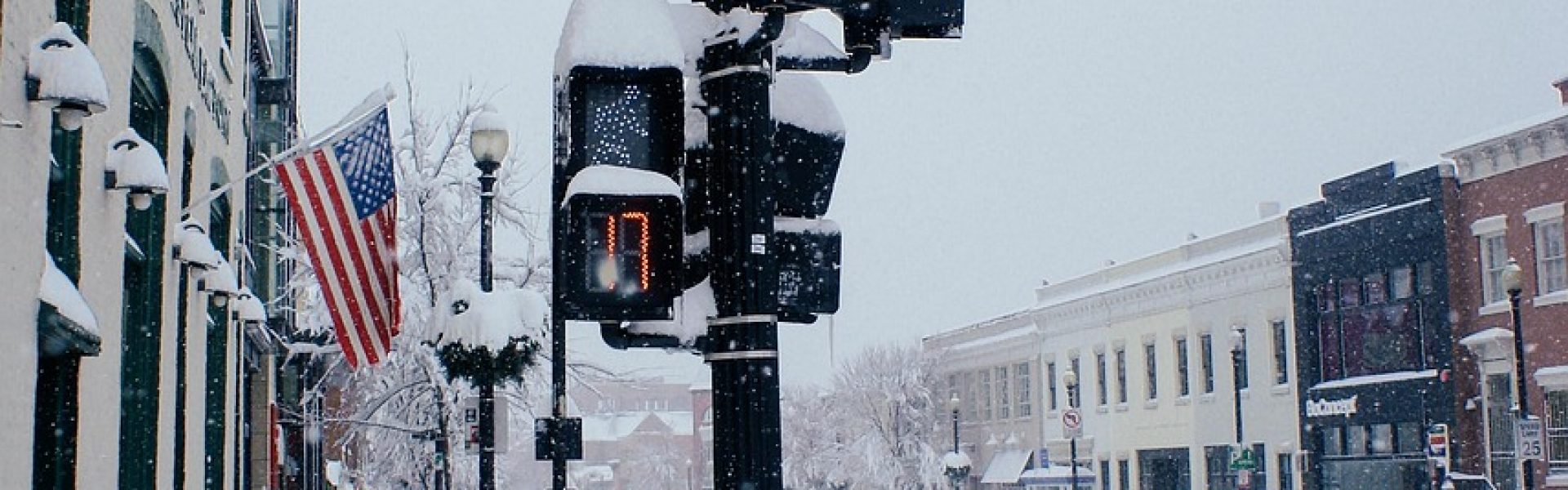
Northeast Blizzard 2026: Property Damage Your Insurance Company May Try to Deny
The Northeast is bracing for its most significant blizzard in nearly a decade. With up to 20 inches of snow forecast, wind gusts exceeding 50 mph, and states of emergency declared across New York and New Jersey, the property damage from this storm will be widespread—and the insurance disputes that follow will be predictable.
At Liss + Earls, we have spent nearly four decades representing policyholders against insurance companies that look for reasons to deny, delay, or underpay legitimate claims. If your home or business suffers damage from this blizzard, here is what you need to know to protect yourself and your claim.
Roof Collapse From Snow and Ice Load
Heavy, wet snow is one of the most destructive forces a building can face. When 15 to 20 inches of snow accumulates on a roof — especially combined with ice — the weight can exceed the structural load the roof was designed to bear. Flat roofs and older commercial buildings are especially vulnerable.
How Insurers Try to Deny These Blizzard Property Damage Claims
Insurance companies routinely argue that a roof collapse was caused by “pre-existing structural deficiency” or “deferred maintenance” rather than the weight of the storm. They will send an engineer to find any prior wear and use it to shift blame away from the covered event. The reality is that most roofs are not designed to handle the kind of load a major blizzard delivers, and the storm — not age — is the proximate cause of the failure.
Ice Dam Water Damage to Interiors
When heavy snow melts and refreezes at the roof edge, ice dams form and force water backward under shingles and into walls, ceilings, and insulation. The interior damage from ice dams can be extensive: saturated drywall, ruined flooring, mold growth, and damaged electrical systems.
How Insurers use Exclusions to Deny Blizzard Property Damage Claims
Carriers frequently invoke the “gradual damage” or “repeated seepage” exclusion, arguing that ice dam damage occurred slowly over time rather than as a sudden event. This is a misapplication of the exclusion. Ice dam formation during a blizzard is a direct, storm-related event — not a maintenance issue. Policyholders should not accept this characterization without legal review.
Frozen and Burst Pipes
When power outages knock out heating systems during a blizzard, pipes freeze and burst — sometimes in multiple locations throughout a home or commercial building. The resulting water damage can destroy flooring, walls, inventory, and equipment.
How Insurers argue homeowners are at fault in Blizzard Property Damage Claims
This is one of the most common denial tactics in winter storm claims. Insurers argue that the homeowner “failed to maintain adequate heat” in the property, triggering a policy exclusion. But when a blizzard causes a widespread power outage, the policyholder has no ability to maintain heat. The loss of power is the covered event, and the frozen pipes are the direct consequence. Jason J. Liss has handled numerous frozen pipe denial cases where insurers attempted to blame the policyholder for a utility failure entirely outside their control—including an $8.6 million recovery for a Tennessee apartment complex where the insurer denied the entire claim after freeze and water damage.
Falling Trees and Wind Damage
Gusts exceeding 50 mph can topple trees onto homes, vehicles, and commercial buildings. Wind can tear off siding, shatter windows, and peel back roofing materials, exposing the interior to snow and water intrusion.
How Insurers deflect to Deny Blizzard damage claims
Insurers often dispute the cause of the damage, arguing that a tree was already dead or diseased and therefore not a covered “windstorm” loss. They may also severely undervalue structural repairs, offering only cosmetic fixes rather than the full cost to restore the property to its pre-loss condition. Policyholders should obtain their own independent estimates before accepting any insurer valuation.
Business Interruption From Forced Closures
With states of emergency declared and officials urging everyone to stay off the roads, many businesses will be forced to close. Lost revenue during and after a blizzard can be devastating — particularly for restaurants, retail stores, and service businesses that depend on daily foot traffic.
Why it's hard to prove Business Interruption Claims
Business interruption coverage typically requires “direct physical damage” to the insured property. Insurers exploit this language to deny claims when a business closes due to a government order, power outage, or inaccessibility rather than structural damage to the building itself. This is an area of active litigation nationwide, and policyholders with business interruption coverage should carefully document every day of lost operations, revenue, and additional expenses incurred.
Power Surge Damage
When power lines go down and utility service is restored, the resulting electrical surges can destroy HVAC systems, appliances, commercial equipment, computers, and security systems. The damage is often invisible until systems fail to restart.
How Insurers use exclusions to deny storm damage claims
Many carriers point to a “utility service” exclusion in the policy, arguing that damage caused by power fluctuations originating off the insured premises is not covered. However, this exclusion does not apply uniformly across all policies, and many homeowner and commercial property policies do cover surge damage when it results from a covered storm event. Do not assume your insurer’s interpretation is correct.
Flooding and Coastal Storm Surge
Coastal areas from New Jersey through Connecticut face significant flooding risk from this storm. Storm surge combined with high tides can inundate ground floors, basements, and parking structures.
What Policyholders Need to Know
Standard homeowner and commercial property policies exclude flood damage. Flood coverage requires a separate policy, typically through the National Flood Insurance Program (NFIP) or a private flood insurer. However, the critical distinction is between flood damage (water rising from below) and wind-driven rain or storm damage (water forced in from above or through wind-created openings). Insurers sometimes misclassify wind-driven water intrusion as “flooding” to trigger the exclusion. If your property sustained water damage during the blizzard, the cause of the water entry matters enormously for your claim.
What You Should Do Right Now
Whether you are a homeowner, business owner, or property manager, take these steps immediately to protect your claim:
Document everything. Photograph and video all damage from multiple angles before any cleanup or repairs. Include wide shots showing the scope of damage and close-ups showing detail. Photograph the exterior of the building, the surrounding property, and any fallen trees or debris.
Do not throw anything away. Damaged materials, inventory, equipment, and personal property are evidence. Your insurer has the right to inspect before you dispose of anything. If you must remove materials for safety reasons, photograph them first and store them if possible.
Make emergency repairs only. You are entitled to prevent further damage — tarping a roof, boarding a window, shutting off water — but do not begin permanent repairs until your insurer has inspected. Keep all receipts for emergency repairs.
Do not sign anything from the insurer without legal review. Insurance adjusters may present documents that limit your rights, waive future claims, or lock you into an inadequate settlement. Read everything carefully and consult an attorney before signing.
Keep a detailed log. Record every conversation with your insurance company, including the date, time, name of the representative, and what was discussed. Follow up phone calls with written confirmation by email.
Report the claim promptly. Most policies require timely notice of a loss. File your claim as soon as it is safe to do so, but do not feel pressured to accept the first offer.
When to Call a Property Insurance Attorney
If your insurer denies your blizzard property damage claim, offers significantly less than the cost of repairs, accuses you of fraud or arson, or demands an examination under oath, you need experienced legal representation. These are not routine customer service issues—they are adversarial proceedings where the insurance company is protecting its own financial interests, not yours. Due to the complexity of managing a large storm damage property claim, we find the earlier our clients involve us, the more likely their claim is to be fully paid.
Jason J. Liss and the attorneys at Liss + Earls have recovered over $500 million for policyholders since 1986. Jason is licensed in Michigan and Ohio and is regularly retained by clients, public adjusters, and attorneys across the country through pro hac vice admission to handle complex, high-value property insurance claims in any state.
Every claim is different. Past results do not guarantee future outcomes.
If you or your client has suffered property damage from a blizzard
and you are concerned that the insurance company is not treating the claim fairly, contact us for a free consultation.
Call 248-553-2000 or visit lissearlsfirm.com/contact-us to speak with an attorney.